The Camino de Santiago: What 1,000 Years of Pilgrims Know That You Don’t
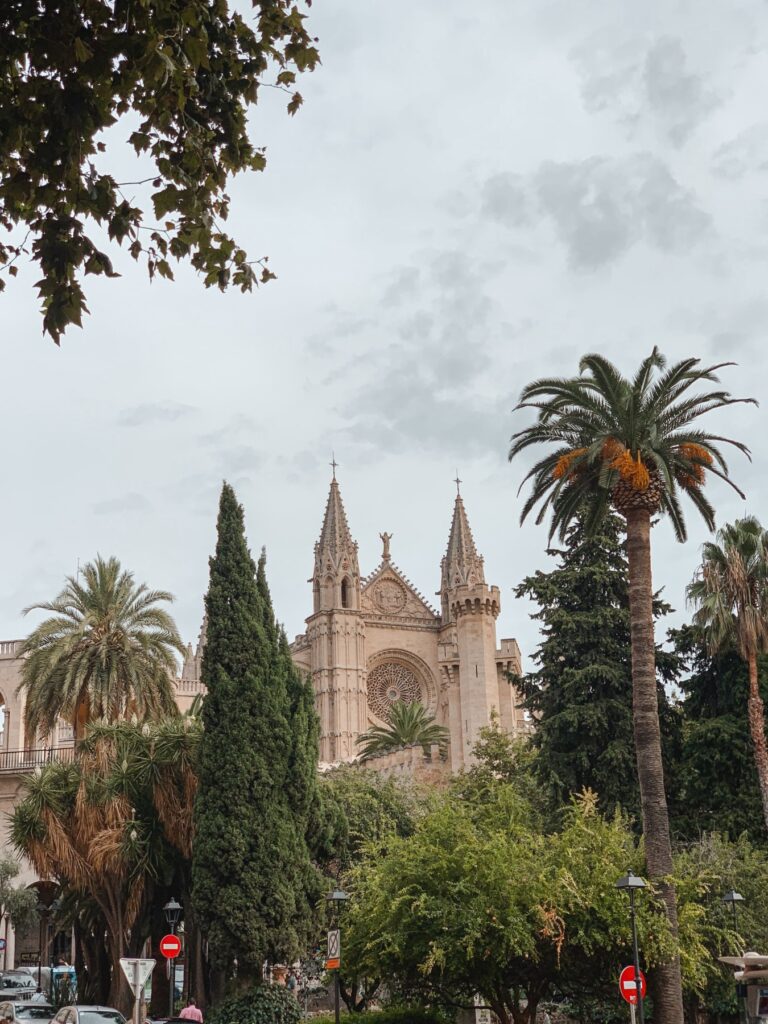
At first glance, Santiago de Compostela Cathedral looks like just another stunning piece of Gothic architecture — all grand towers, stone carvings, and centuries of history.
But to millions of people around the world, it’s something much bigger: the finish line of one of the most legendary pilgrimages on Earth.
Welcome to the Camino de Santiago, also known as The Way of St. James — a journey that has drawn travelers, wanderers, and seekers for over a thousand years.
Quick Guide: What You Need to Know
📏 How far? 500 miles (800 km) on the most popular route — but you can walk as little or as much as you want
⏱️ How long? Most people take 4-6 weeks for the full Camino Francés — many walk just a week or two
💰 How much? Budget €30-50/day for basic albergues and meals — more for private rooms
🦶 How hard? Moderate fitness required — if you can walk 15-20 km, you can do this
📅 Best time? May-June and September-October — July-August is hot and crowded
What Exactly Is the Camino de Santiago?
The Camino isn’t a single trail — it’s a network of routes that all lead to one destination: the Cathedral of Santiago de Compostela in Galicia, where the remains of the Apostle St. James are believed to rest.
People have been walking it since the 9th century — originally as a religious pilgrimage, now also as a cultural, spiritual, or personal one.
Every year, more than 400,000 people from all over the world walk part (or all) of it.
Some come seeking God.
Others come seeking themselves.
Most find something they weren’t expecting.
How Long Is It?
That depends on where you start.
The most popular route, the Camino Francés, begins in Saint-Jean-Pied-de-Port, a small French town at the foot of the Pyrenees.
From there, it’s roughly 500 miles (800 kilometers) across northern Spain — through vineyards, mountains, plains, and medieval villages.
Most pilgrims walk 20-25 kilometers per day, completing the full route in about 30-35 days.
But here’s the thing: you don’t have to walk the whole thing.
Some people walk a few days.
Others, a few weeks.
A few even spend months completing the full distance.
There’s no right way — only your way.
To earn the official Compostela certificate, you need to walk at least the final 100 kilometers (or cycle the final 200 kilometers).
The Different Routes
Camino Francés (The Classic)
- Distance: 800 km (500 miles)
- Starting point: Saint-Jean-Pied-de-Port, France
- Duration: 30-35 days
- Difficulty: Moderate
- Best for: First-timers, social walkers, those wanting the “full experience”
The most popular route for good reason — excellent infrastructure, plenty of albergues, and a well-marked path through Spain’s most diverse landscapes.
Camino Portugués
- Distance: 620 km from Lisbon, 240 km from Porto
- Duration: 25 days (Lisbon) or 12 days (Porto)
- Difficulty: Easy to moderate
- Best for: Those short on time, wine lovers (hello, Douro Valley)
The second most popular route, with a beautiful coastal variant from Porto.
Camino del Norte
- Distance: 825 km (510 miles)
- Starting point: Irún (Spanish-French border)
- Duration: 34-36 days
- Difficulty: Challenging (hilly terrain)
- Best for: Experienced hikers, those avoiding crowds, coastal scenery lovers
Stunning Atlantic coastline but more demanding — and less infrastructure than the Francés.
Camino Primitivo
- Distance: 320 km (200 miles)
- Starting point: Oviedo
- Duration: 12-14 days
- Difficulty: Challenging (mountainous)
- Best for: History buffs (it’s the original route), those seeking solitude
The oldest route, walked by King Alfonso II in the 9th century.
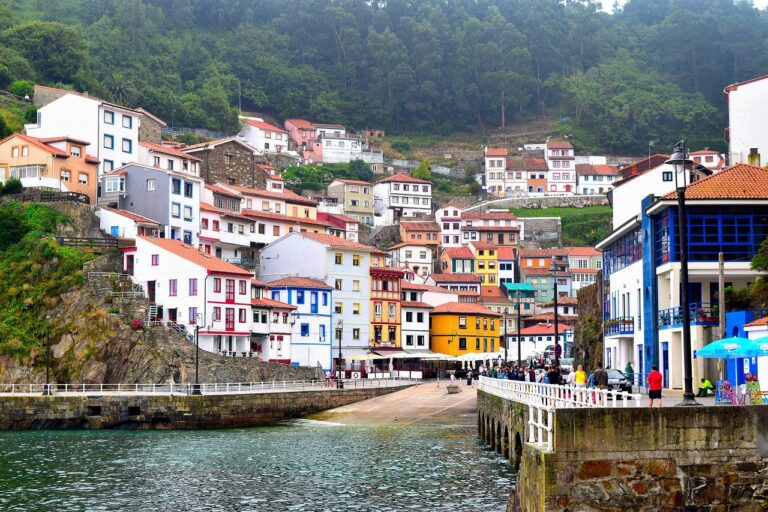
For those walking through Galicia, many of Spain’s most charming small towns lie along or near the Camino routes.
Why People Walk It
Not everyone on the Camino is religious.
Many come searching for clarity, healing, or a break from the noise of modern life.
Some do it to reconnect with themselves.
Others just want the challenge.
Ask any pilgrim why they walk, and you’ll get a different answer — but the common thread is transformation.
The Camino slows you down, strips away distractions, and reminds you how little you actually need.
There’s something humbling about waking up, lacing your boots, and walking into the unknown — day after day, guided only by yellow scallop shells and arrows painted on old stone walls.
Common reasons people walk:
- Processing grief, divorce, or major life transitions
- Taking a break from careers or burnout
- Celebrating milestones (retirement, recovery, birthdays)
- Seeking spiritual or religious meaning
- Simply wanting an adventure that’s bigger than a vacation
Whatever brings you to the Camino, the path has a way of giving you what you need — even if it’s not what you expected.
The Journey Itself
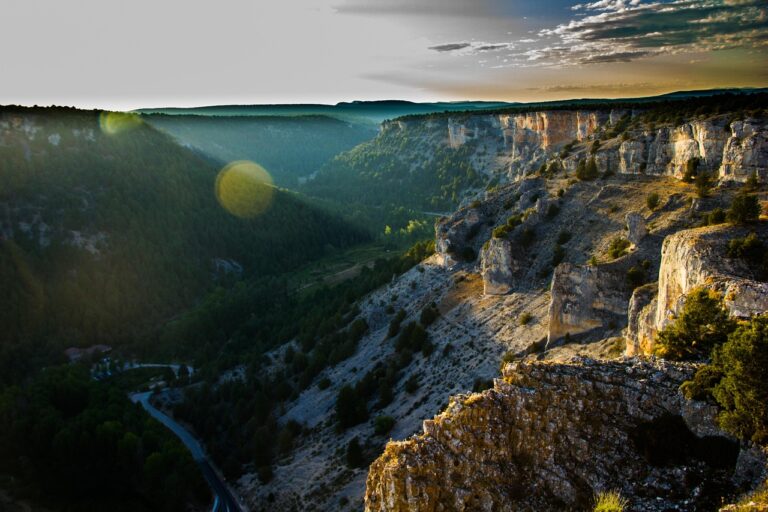
The Camino passes through tiny villages, endless fields, and some of Spain’s most beautiful landscapes.
You’ll meet locals who’ve been greeting pilgrims for generations.
You’ll eat hearty menú del peregrino meals for under €10.
You’ll sleep in simple albergues (pilgrim hostels) where stories are shared late into the night.
What a Typical Day Looks Like
5:30-6:30 AM: Wake up in an albergue, pack your bag quietly (headlamps are essential)
7:00 AM: Start walking — many pilgrims aim to cover distance before the midday heat
10:00 AM: Stop for café con leche and a tortilla española at a village bar
1:00-2:00 PM: Arrive at your destination for the day, check into an albergue
Afternoon: Shower, wash clothes, rest, explore the town
7:00-8:00 PM: Dinner — often a communal menú del peregrino
9:00-10:00 PM: Lights out — tomorrow you do it all again
The Challenges
Let’s be honest: the Camino isn’t a vacation.
Rain, blisters, and sore feet are part of it.
So is loneliness, doubt, and the occasional “what am I doing with my life?” breakdown at kilometer 300.
But that’s also the point.
The discomfort strips away pretense and leaves you with something real.
The Magic
And then there’s the joy.
Arriving somewhere you’ve never been — powered only by your own two feet.
The stranger who becomes a lifelong friend.
The village church that takes your breath away.
The moment you realize you’ve been walking for two weeks and haven’t checked your phone once.
Along the way, you’ll pass some of Spain’s most spectacular Roman ruins and churches that prove medieval architects were wizards.
Reaching Santiago
When you finally arrive in Santiago de Compostela, the first sight of the cathedral’s spires feels surreal.
Pilgrims gather in the Praza do Obradoiro, some cheering, others crying, many just standing still — silent, overwhelmed.
Inside the cathedral, you can attend the Pilgrim’s Mass, where the enormous incense burner (botafumeiro) swings across the nave — a centuries-old ritual that fills the space with smoke and emotion.
Whether you’ve walked five miles or five hundred, this is the moment it all makes sense.
Getting Your Compostela
To receive the official certificate (Compostela), you’ll need:
- A credential (pilgrim passport) stamped at least twice daily along the route
- Proof you walked at least the final 100 km (or cycled 200 km)
- To declare your pilgrimage was for religious or spiritual reasons (broadly interpreted)
The Pilgrim’s Office near the cathedral processes certificates — expect lines in peak season.
Beyond Santiago: Finisterre
Many pilgrims continue walking 90 kilometers west to Finisterre (Fisterra) — the “end of the world.”
For centuries before anyone knew the Americas existed, this cape marked the end of everything.
Standing at the lighthouse, watching the sun sink into the Atlantic, is a profound way to close your journey.
We wrote about why the end of the world is in Spain — it’s worth the extra days.
Practical Tips for Your Camino
What to Pack
Less is more — you’ll carry everything on your back for hundreds of kilometers.
Essentials:
- Backpack (35-40 liters max)
- Two sets of walking clothes (quick-dry)
- One set of evening clothes
- Broken-in hiking boots or trail runners
- Sandals for evenings
- Rain jacket and pack cover
- Sleeping bag liner (most albergues provide blankets)
- First aid kit (especially blister supplies)
- Headlamp
- Water bottle
- Credential (pilgrim passport)
Total pack weight: Aim for under 10% of your body weight — lighter is always better.
Where to Sleep
Municipal albergues: €6-12/night, first-come-first-served, basic but authentic
Private albergues: €12-20/night, often can reserve ahead, slightly more comfort
Hotels/hostels: €40-80/night, for when you need privacy or a rest day
Book ahead in peak season for the most popular stops (Pamplona, Burgos, León, Santiago).
Budget
- Budget pilgrim: €30-40/day (municipal albergues, menú del día, minimal extras)
- Comfortable pilgrim: €50-70/day (private albergues, occasional hotel, more flexibility)
- Luxury pilgrim: €100+/day (hotels, restaurants, taxi for bags)
Best Time to Walk
May-June: Wildflowers, mild weather, moderate crowds — arguably the best time
September-October: Harvest season, cooler temperatures, fewer pilgrims
July-August: Hot, crowded, but lively atmosphere and guaranteed open services
Winter: Quiet and atmospheric, but many albergues closed and weather unpredictable
Training
You don’t need to be an athlete, but some preparation helps:
- Start walking regularly 2-3 months before
- Build up to back-to-back days of 15-20 km
- Break in your footwear completely
- Practice with your loaded backpack
Why It Still Matters
In an age where everything is instant, the Camino is the opposite.
It’s slow, uncertain, and deeply human.
You can’t rush it; you can only walk it.
And maybe that’s why it still draws so many people — because it’s not just a journey across Spain.
It’s a journey back to yourself.
The Camino doesn’t care about your job title, your Instagram following, or your five-year plan.
It only asks one question, every morning: will you take the next step?
Plan Your Camino
Ready to walk?
Here’s how to get started.
Getting to the Starting Point
For Camino Francés (Saint-Jean-Pied-de-Port):
- Fly to Biarritz, Pamplona, or Bilbao
- Train from Paris or Bayonne to Saint-Jean
Useful Resources
Gronze.com — Detailed stage-by-stage guides (in Spanish)
Buen Camino app — GPS navigation and albergue info
American Pilgrims on the Camino — Community and resources
Gear Up
Travel Insurance
Essential for a month-long walk — covers medical emergencies, trip interruption, and gear loss.
Keep Exploring the Camino Region
Walking the Camino takes you through some of Spain’s most beautiful regions:
- Spain’s Most Charming Small Towns — Many lie along the route
- 8 Spanish Churches That Prove Medieval Architects Were Wizards — Cathedral stops along the way
- Spain’s Best Food Markets — Refuel in Pamplona, Burgos, León, and Santiago
- Spain’s Most Spectacular Roman Ruins — Detours worth making
- The End of the World Is in Spain — Continue to Finisterre
The Bottom Line
So if you’ve ever thought about it — go.
Bring good boots, an open mind, and a heart ready to be surprised.
Because whether you walk ten miles or five hundred, the Camino will give you something you didn’t know you were looking for.
Some people find God.
Some find themselves.
Some just find really good wine and new friends.
All of them find something worth the blisters.
Buen Camino.
Have you walked the Camino?
Which route did you take, and what surprised you most?
Drop your experience in the comments — future pilgrims want to hear your story.
Related Posts You’ll Love:
- Spain’s Most Charming Small Towns
- 8 Spanish Churches That Prove Medieval Architects Were Wizards
- The End of the World Is in Spain
Buen Camino — and bookmark this post for when you’re ready.