The End of the World Is Real — And It’s in Spain (Pilgrims Walk Here for a Reason)
At the very edge of Spain’s Atlantic coast, where land finally gives up to sea, there’s a wild, windblown point called Fisterra — or Finisterre, from the Latin Finis Terrae, meaning “the end of the earth.”
It’s the place ancient Romans believed was literally the end of the world. Today, it’s the end of something else: the Camino de Santiago.
Where the Land Ends (and the Journey Continues)
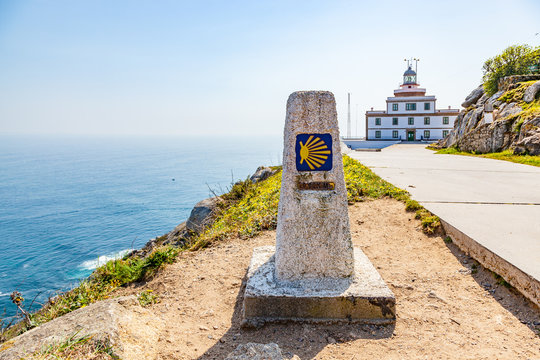
Most pilgrims finish their Camino in Santiago de Compostela, in front of the cathedral. But thousands keep walking west — another 90 kilometers (56 miles) — until they reach the ocean at Fisterra.
It’s not an official part of the pilgrimage, but it’s the most poetic one. Because standing on the cliffs above the roaring Atlantic, watching the sun sink into the sea, feels like a true ending — or maybe a beginning.
Why People Keep Walking
After hundreds of miles across Spain, the road to Fisterra is quiet, simple, and deeply symbolic. It’s about letting go — of exhaustion, of expectations, of whatever you carried with you.
Pilgrims often bring a small token to leave behind: a stone, a note, even an old pair of boots. It’s a gesture of closure, a way to say, “This part of the journey is over.”
At Cabo Fisterra, you’ll find the lighthouse standing sentinel over the sea, and next to it, a bronze boot sculpture — a tribute to every traveler who made it this far.
The Magic of the Coast
Fisterra isn’t just for pilgrims. It’s one of the most rugged, beautiful stretches of Spain’s Costa da Morte — the “Coast of Death,” named for its shipwrecks and dramatic cliffs.
The landscape is raw and cinematic: crashing waves, endless horizons, seagulls crying in the wind. On clear days, you can see all the way to Cape Touriñán — Spain’s true westernmost point.
Locals will tell you the sunsets here are the best in Galicia, maybe in all of Spain. Watching the sky melt into pink and orange above the Atlantic feels like standing at the edge of something infinite.
How to Get There
- By foot: The Camino Finisterre route starts from Santiago de Compostela and takes 3–4 days to walk.
- By car or bus: Around 2.5 hours from Santiago, with regular buses connecting the two.
- Best time to visit: Late spring through autumn — when skies are clear and sunsets last forever.
Why It’s Worth It
Because Fisterra isn’t just a place — it’s a feeling. The mix of exhaustion, awe, and peace that hits you when you realize there’s nowhere left to go.
It’s the kind of spot that makes you quiet without trying to. The kind of place that reminds you how small you are — and how lucky you are to be standing at the end of the world.
At Fisterra, the road doesn’t stop. It just disappears into the sea.