Spain’s Best Olive Grove Experiences That Will Change How You See Oil
Spain produces half the world’s olive oil, and the province of Jaén alone has 67 million olive trees for just 600,000 people.
Oleotourism is booming because nothing converts skeptics faster than tasting liquid gold straight from the source.
1. Oleícola San Francisco, Begíjar
This family-run mill in Jaén province pioneered olive oil tourism in Spain and remains the benchmark for immersive experiences.
The “Be an Olive Grower for a Day” program puts traditional tools in your hands as you harvest olives in century-old groves.
After the fields, you’ll watch the fruit transform into oil inside both the historic 1926 cellar and the modern processing facility.
The traditional miller’s breakfast—exactly what workers have eaten for generations—fuels you for the morning’s activities.
Tours run about three hours and cost just €12 per person, though harvest season visits book months in advance.
2. Oro Bailén, Villanueva de la Reina
This mill has been crowned producer of the world’s best olive oil, and they’re happy to show you exactly why.
The facility in Jaén province combines state-of-the-art technology with traditional knowledge passed down through generations.
Tastings here feel like wine flights—you’ll learn to detect the grassy notes, pepper finish, and fruity complexity of premium Picual oil.
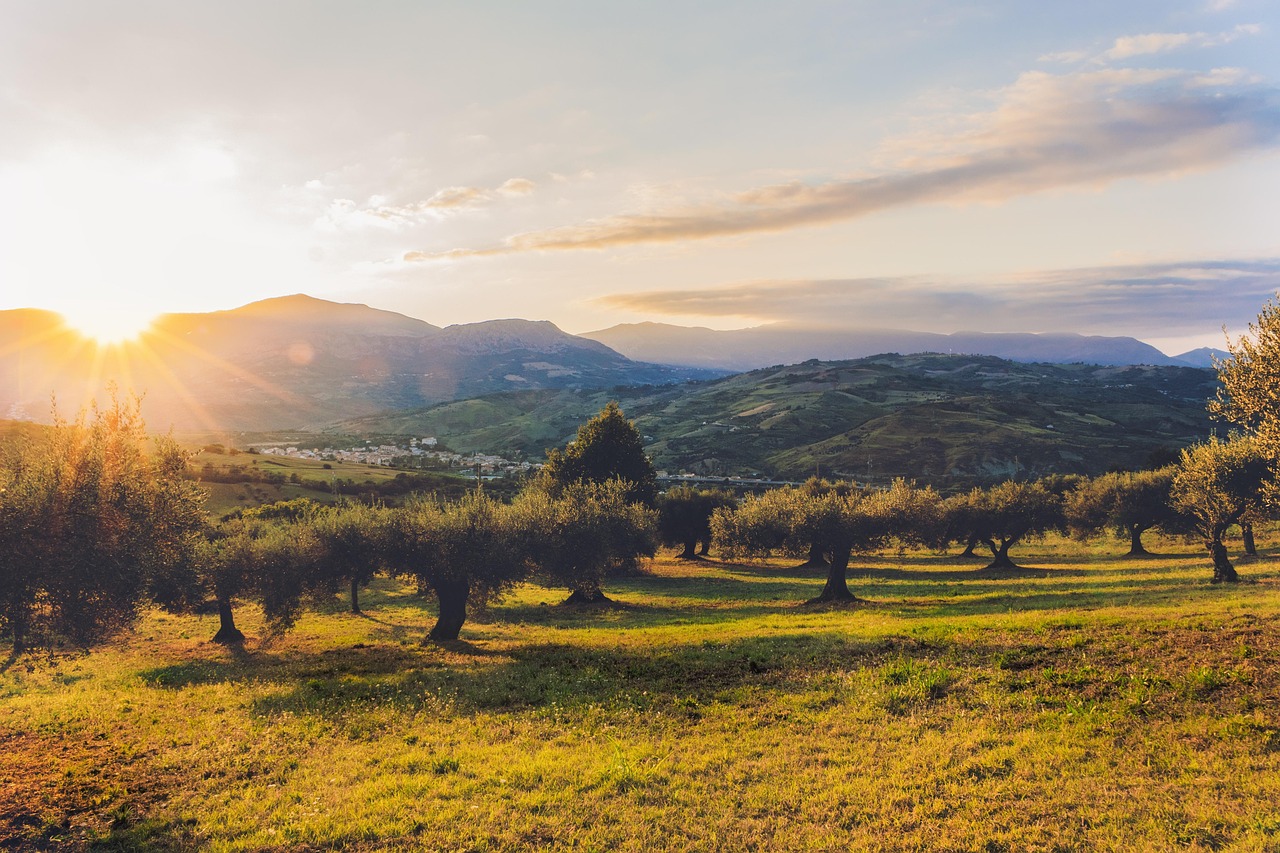
The surrounding olive groves seem to stretch infinitely toward the Sierra Morena mountains.
3. Castillo de Canena
This estate’s olive-growing history dates to 1780, and the family still cultivates groves surrounding their Renaissance-era castle.
Tours explore both the historic grounds and modern production methods that have earned international recognition.
Their “First Day of Harvest” oil captures olives at peak ripeness, bottled within hours of leaving the tree.
The combination of aristocratic heritage and cutting-edge quality makes this one of Spain’s most prestigious oil experiences.
4. Museo de la Cultura del Olivo, Baeza
Spain’s first olive oil museum occupies a stunning 17th-century hacienda that once pressed oil using massive wooden beams.
The collection traces olive cultivation from ancient times through modern techniques with preserved historical machinery.
Guided tastings teach you the proper technique: warm the oil in your palm, inhale deeply, then sip while drawing air through.
The twin Renaissance cities of Úbeda and Baeza (both UNESCO World Heritage sites) surround the museum with architectural splendor.
5. Terra Oleum, Mengíbar
This modern interactive museum presents olive oil through engaging exhibits that make the subject accessible to all ages.
The “Active Museum of Olive Oil and Sustainability” covers everything from cultivation science to cooking applications.
Hands-on workshops let visitors blend their own oils and learn to identify quality through professional tasting techniques.
The building’s contemporary architecture contrasts dramatically with the ancient groves visible through floor-to-ceiling windows.
6. Priego de Córdoba DOP Region
This designation of origin in Córdoba province protects 30,000 hectares of groves in the Sierra Subbética UNESCO Geopark.
Many trees here are centuries old, growing on steep slopes at elevations between 850 and 1,200 meters.
The 23 brands within this DOP have collectively won over 3,500 international awards for their exceptional oils.
Mills throughout the region offer tours, but the dramatic mountain landscape makes driving between them half the pleasure.
7. Olive Grove and Oil Interpretation Center, Úbeda
This purpose-built visitor center in Jaén province offers the most comprehensive introduction to Spain’s olive culture.
Exhibits walk you through every aspect—from the olive tree’s life cycle to the chemistry of extraction and health benefits.
The center arranges visits to working groves where you can walk among the gnarled trees and understand the terroir.
Children’s workshops make this surprisingly family-friendly for what sounds like adult-only territory.