Spain’s Most Ancient Trees That Have Witnessed Centuries of History
Some trees aren’t just trees—they’re living monuments that have stood witness to empires rising and falling.
Spain is home to botanical giants so old they make medieval cathedrals look like recent construction projects.
These are the trees that were already ancient when Columbus set sail.
1. El Drago Milenario, Tenerife
This legendary dragon tree in Icod de los Vinos stands between 800 and 1,000 years old and has been a National Monument since 1917.
The tree towers 18 meters high with a trunk circumference of approximately 20 meters—comparable to the diameter of a small house.
Inside the massive trunk sits a 6-meter-high hollow cavity, accessible by a door, with a fan installed to provide ventilation and prevent fungal growth.
The Guanche people, the indigenous inhabitants of the Canary Islands, believed this tree had magical powers and held sacred rituals beneath its branches.
When the bark is cut, it produces a deep red resin called “dragon’s blood” that fueled legends about dragons transforming into trees when they died.
The tree weighs an estimated 140 tonnes and features on the coat of arms of Icod de los Vinos.
2. La Farga del Arión, Ulldecona
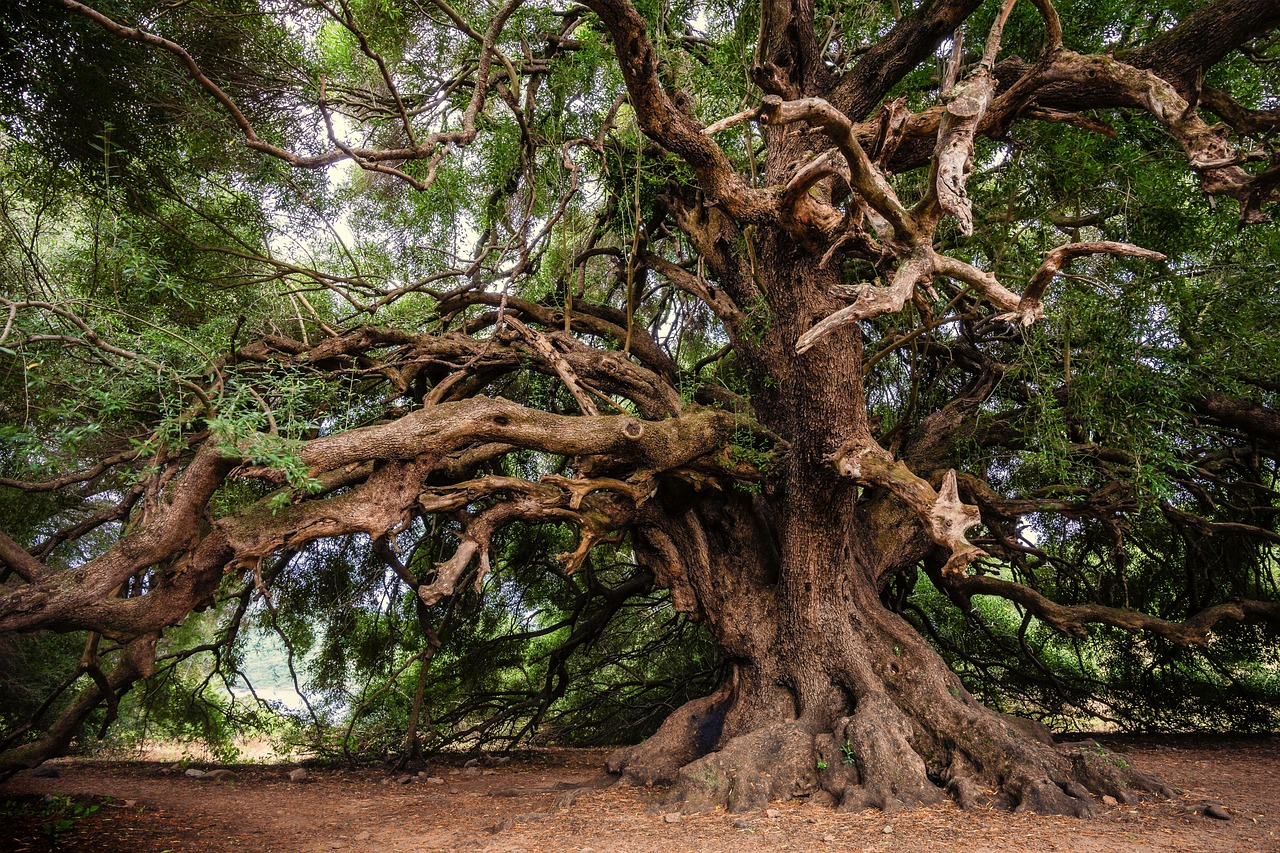
This olive tree in Tarragona province is genuinely the oldest tree in Spain, dating back to approximately 314 AD—that’s over 1,700 years ago.
The mind-bending part is that this Roman-era tree still produces olives that get pressed into premium extra virgin olive oil.
Measurements by the Polytechnic University of Madrid confirmed its age, making it older than even the famous Drago Milenario.
The tree is part of the Arión Natural Museum of Millenary Olive Trees, where over 150 olive trees more than 1,000 years old are preserved.
Walking through these fields is like opening a window to Roman Hispania, with every twisted trunk telling stories of ancient agriculture.
The location near the ancient Via Augusta makes sense—this was a vital artery during the Roman Empire.
3. El Castaño Santo, Istán
This holy chestnut tree in Málaga province boasts a trunk circumference exceeding 13 meters and an estimated age of 800 to 1,000 years.
It’s one of the largest chestnut trees on the entire Iberian Peninsula and among the oldest living trees in Andalusia.
Historic gatherings and religious ceremonies were held under its canopy during the Reconquista period.
The tree’s massive branches create a natural cathedral of shade that has sheltered countless generations.
Local legend claims that meeting under this tree brings good fortune, and weddings were once held in its shadow.
4. Tejo de Barondillo, Madrid
This ancient yew tree near the capital is one of Spain’s most venerated trees, associated with pre-Christian Celtic worship.
Yew trees were considered sacred by Celtic cultures and often planted near hermitages and churches throughout northern Spain.
The species is exceptionally long-lived—some Spanish yews are estimated to be over 1,000 years old.
The tree’s evergreen nature made it a symbol of eternal life in ancient traditions.
Reaching this botanical relic requires a pilgrimage-like journey that adds to its mystical appeal.
5. El Roble Valentín, Asturias
This monumental oak in the green north of Spain stands as a living emblem of Asturian natural heritage.
The tree’s massive trunk and spreading crown have made it a gathering place for locals for countless generations.
Oaks were sacred to Celtic peoples who once inhabited this region, and many still feel that spiritual connection today.
The species can live for over 800 years, and this specimen has clearly been pushing those limits.
Finding this tree feels like discovering a green cathedral in the middle of the Asturian countryside.
6. La Encina La Terrona, Cáceres
This holm oak in Extremadura is one of the most spectacular examples of the dehesa landscape’s ancient tree heritage.
The tree’s gnarled trunk and sprawling branches have witnessed centuries of pastoral life beneath the Spanish sun.
Holm oaks are essential elements of the dehesa ecosystem, supporting the famous acorn-fed Iberian pigs.
The species is incredibly resilient, surviving droughts and wildfires that would destroy lesser trees.
Standing beneath its shade during the scorching summer explains why these trees were considered sacred.
7. The Tree of Gernika, Basque Country
This oak tree is perhaps the most politically significant tree in all of Spain, symbolizing Basque freedom and self-governance.
For centuries, Basque leaders gathered under the oak to make laws and swear oaths—a tradition dating back to medieval times.
The current tree is actually a descendant of earlier oaks, maintaining an unbroken chain of botanical succession.
Pablo Picasso’s famous painting immortalized the town, and the tree remains a powerful symbol of Basque identity.
Visiting feels less like seeing a tree and more like witnessing living democracy.