Spain’s Most Secret Beaches That Locals Really Don’t Want You to Know About
Spain has thousands of kilometers of coastline, and tourists have discovered approximately 1% of it.
While beach-seekers crowd onto the same strips of sand in Barcelona, Mallorca, and the Costa del Sol, spectacular hidden coves sit empty just a few kilometers away.
We’re talking about beaches accessible only by boat or challenging hike, secluded bays surrounded by dramatic cliffs, and inland beaches that defy physics itself.
These aren’t easy to reach—that’s exactly the point.
The reward for your effort is crystal-clear water, pristine sand, and the profound satisfaction of having a beach basically to yourself.
Pack water, sunscreen, and good hiking shoes, because these secret Spanish beaches are absolutely worth the adventure required to find them.
1. Playa de Gulpiyuri – The Inland Beach That Shouldn’t Exist
Located 100 meters from the Cantabrian Sea, Playa de Gulpiyuri is fed by underground tunnels that connect it to the ocean—creating a fully tidal beach surrounded by green meadows.
At roughly 40 meters in diameter, this flooded sinkhole in Llanes, Asturias, is one of the smallest and most unique beaches in the world.
The word “Gulpiyuri” means “water circle,” which perfectly describes what you’ll find: a small circular sandy beach with actual waves, completely landlocked.
Listed as a Natural Monument and protected for its unparalleled beauty, this geological whim was sculpted by the collapse of a sea cave.
Access is only by foot along a farm road between meadows—there’s no sign announcing you’ve found it until you suddenly have.
The crystal-clear (but cold) water is best during high tide, when waves actually reach the small strip of sand.
Families in eastern Asturias know this sheltered spot well, as its calm waters provide a break from the heavy swell of the Bay of Biscay.
2. Playa del Silencio – The Beach of Silence
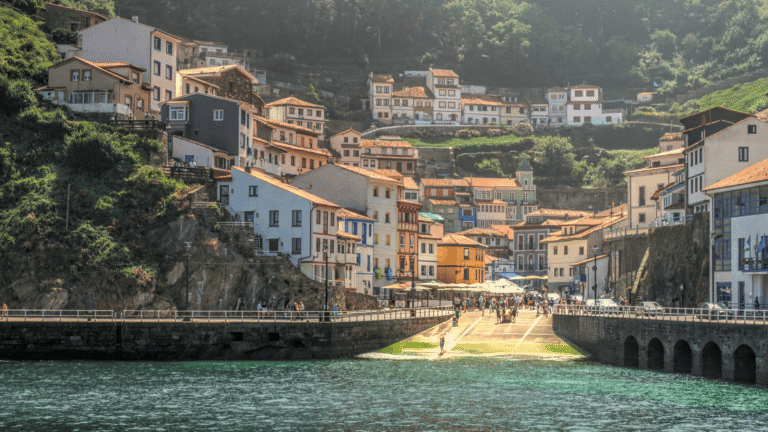
Living up to its name, Playa del Silencio in Cudillero, Asturias, is a crescent of pebbled sand embraced by cliffs that create a cathedral-like effect.
Also known as Playa del Gavieiru, this stunning beach is characterized by wild beauty, impressive cliffs, and that profound silence that comes from being truly remote.
The beach features a unique pebble and sand composition that creates mesmerizing patterns as the tide ebbs and flows.
Access requires descending steep stairs from the main road, which deters many casual visitors and preserves the tranquil atmosphere.
A natural rock amphitheater backs the beach, creating an acoustically strange environment where the sea somehow sounds both louder and quieter than you expect.
Photography opportunities are exceptional—the dramatic cliffs framing the curved beach create compositions that look almost too perfect to be real.
This is a haven for solitude seekers, so respect the silence that gives the beach its name.
3. Cala Estreta – Costa Brava’s Hidden Treasure
Located around a 20 to 30-minute walk from the nearest village of Palamós, Cala Estreta demonstrates that Catalonia’s Costa Brava still preserves spots untouched by mass tourism.
This small sandy bay is bisected by a giant rock formation called “La Roja” (The Red One), while offshore the “Drac Adormit” (Sleeping Dragon) rock formation adds to the mystique.
In summer, motor vehicles are banned, meaning the only access is on foot along the Camí de Ronda coastal path from Castell beach—a 45-minute trek that filters out the uncommitted.
An alternative 20-minute route follows the service road below electrical towers from the Castell car park, for those who prioritize efficiency over scenery.
The coves here are naturist-friendly, light, and open to the east—perfect for sunny winter mornings when you might have the entire bay to yourself.
Crystal-clear waters ideal for snorkeling reveal vibrant marine life rarely glimpsed at more accessible beaches.
Effort is directly proportional to spectacularness, and Cala Estreta delivers generously on both counts.
4. Cala Futadera – Where Salvador Dalí Found Inspiration
Hidden within the Cap de Creus Natural Park, just north of Cadaqués, Cala Futadera requires navigating a road that calls for care and then descending on foot along a dry riverbed for about half an hour.
Salvador Dalí and writer Josep Pla both talked about this place, but few people have seen it with their own eyes.
What you’ll find is a welcoming sandy stretch with softly rounded contours of broom bushes—the complete opposite of the harshly built-up coastline elsewhere.
The cove is sheltered from the local tramuntana winds, with water that is completely transparent, calm, and home to an extensive range of sea life.
This part of the coast is fiercely protected, so expect no facilities but pristine natural conditions.
The unique rock formations in this area appear in Dalí’s most famous paintings—you’ll recognize them immediately if you know his work.
Accessible only by boat or challenging hike, Cala Futadera epitomizes the raw beauty that made the Costa Brava legendary before mass tourism arrived.
5. Cala de Enmedio – Cabo de Gata’s Desert Beach
Located within the Cabo de Gata-Níjar Natural Park in Almería, Cala de Enmedio looks like a movie set dropped into the arid Almerian landscape.
Wind-carved rocks, white sand, and calm turquoise waters create an oasis surrounded by what feels like desert.
Access is on foot from Agua Amarga or by boat from Carboneras or Las Negras—there are no signs, no paved paths, only raw nature.
The volcanic rock formations framing the beach add dramatic backdrops that photographers find irresistible.
Being a protected area within the Natural Park means you must come prepared and respectful of the environment—pack in everything and pack it all out.
This is a Mediterranean postcard setting perfect for photos, total relaxation, and the kind of peace that requires effort to find.
Visibility for snorkeling is exceptional, with marine life thriving in waters protected from commercial fishing.
6. Playa de Bolonia – Dunes, Romans, and Africa in the Distance
This almost 4-kilometer-long beach sits 17 kilometers from Tarifa, Spain’s most southern city, in El Estrecho Natural Park.
The beach is renowned for blue, limpid (but cold) waters, white sand, and majestic dunes that can reach 30 meters high.
Constant wind makes Bolonia a paradise for windsurfers and kitesurfers, while the secluded area of El Chorrito welcomes nudists.
Climbing the famous dune rewards you with breathtaking views—on very sunny days, you can spot the African coast across the Strait of Gibraltar.
Adjacent to the beach, the ruins of Baelo Claudia form a very well-preserved Roman town discovered in the 1970s, adding cultural weight to your beach day.
This combination of natural beauty, water sports, archaeology, and remoteness makes Bolonia one of Andalucía’s best-kept secrets.
Despite increasing popularity, the beach’s sheer length means you can always find space away from others.
7. Playa de Torimbia – Asturias’s Perfect Horseshoe
In the green heart of Asturias lies Playa de Torimbia, a perfectly formed horseshoe bay surrounded by lush cliffs.
This 500-meter stretch of golden sand offers a secluded retreat far from any tourist trail.
Known for its clothing-optional policy, Torimbia attracts a diverse crowd seeking natural beauty, tranquility, and freedom from convention.
The beach is accessible via a steep path, which deters many casual visitors—those who make the effort are rewarded with panoramic views of the Cantabrian Sea.
Facilities are minimal to nonexistent, so bring everything you’ll need for the day.
The sense of being at one with nature is hard to find in more developed coastal areas, making Torimbia special even by hidden beach standards.
Surrounding green cliffs create a natural amphitheater that makes the setting feel protected and private.
8. Cofete – Fuerteventura’s Wild Frontier
In the heart of Jandía Natural Park, Cofete Beach unfolds like an untamed 14-kilometer canvas of golden sand embraced by volcanic mountains and the roar of the Atlantic.
This is not a swimming beach—currents are dangerous and conditions unpredictable—but as a landscape experience, it’s unmatched in the Canary Islands.
The remote location requires navigating dirt roads through dramatic terrain, keeping visitor numbers manageable.
A ruined villa adds mysterious atmosphere to a beach that already feels like the edge of the world.
The wind dances constantly with the waves, creating a sensory experience that’s as much about sound as sight.
Photographers come from around the world to capture the savage, aching beauty of this untouched 14-kilometer stretch.
This is a haven for adventurous souls seeking relaxation and breathtaking landscapes in equal measure.
9. Cala Llentrisca – Ibiza’s Secret Side
While Ibiza is known for its party scene, Cala Llentrisca offers a completely different side of the island.
This small, pebbly cove is tucked away on the southwestern coast, accessible only by boat or a challenging hike.
Crystal-clear waters and surrounding pine forests create a serene atmosphere worlds apart from the bustling beaches elsewhere on the island.
The cove is surrounded by steep cliffs and dotted with fishing boats, feeling like a secret hideaway that tourism forgot.
It’s a reminder that Ibiza still holds secrets for those willing to venture off the beaten path.
Anchoring here by boat reveals some of the best snorkeling conditions in the Balearics.
The contrast with Ibiza’s famous beach clubs couldn’t be more dramatic—or more welcome.
10. Cala Mitjana – Menorca’s Emerald Gem
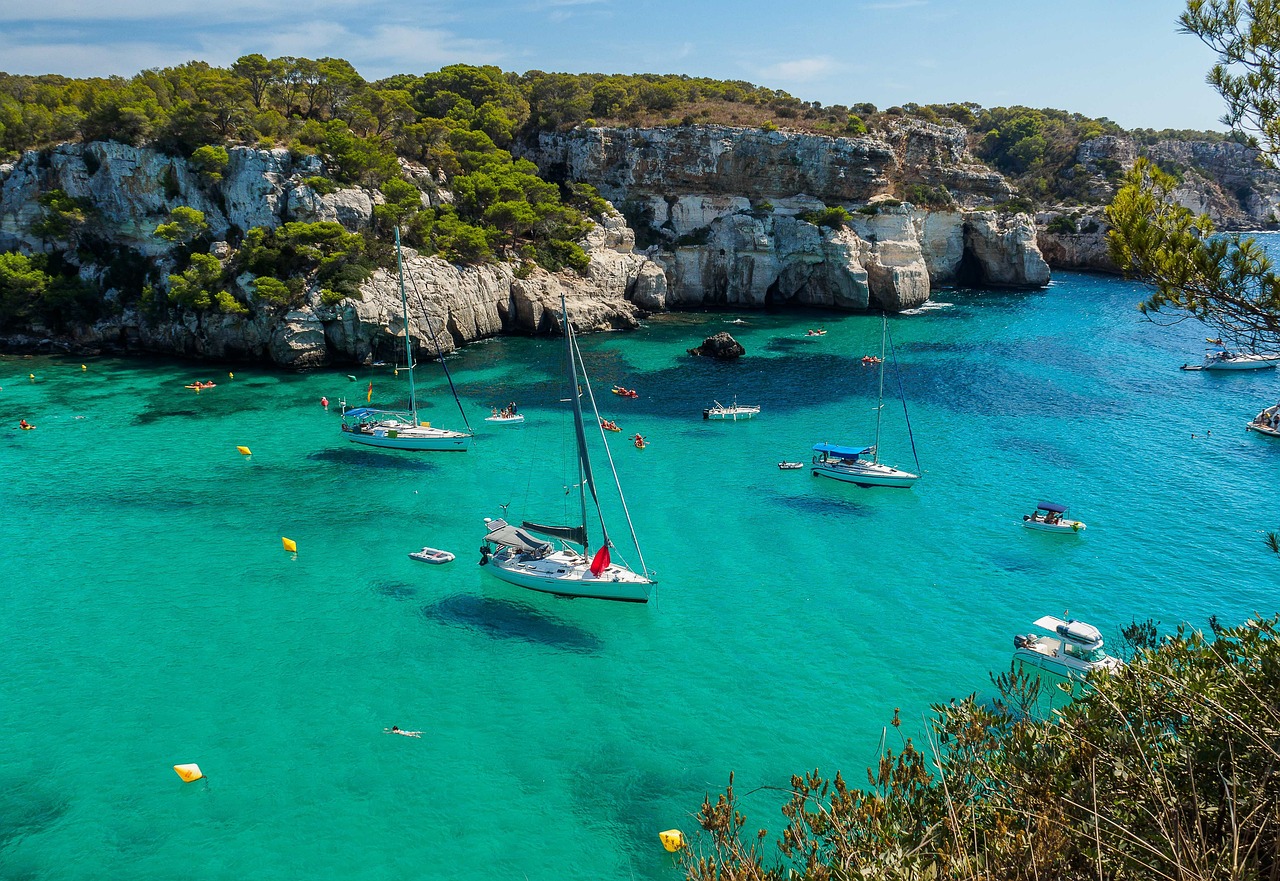
Nestled on Menorca’s southern coast, Cala Mitjana is a picture-perfect cove with emerald waters and fine white sand surrounded by pine-clad cliffs.
The beach is accessible via a scenic 20-minute walk through a pine forest, adding to the sense of discovery and seclusion.
Unlike the crowded calas that attract day-trippers from cruise ships, Mitjana remains relatively tranquil thanks to the walking required.
Crystal-clear waters and unspoiled natural beauty exemplify why Menorca is often considered a more authentic alternative to overcrowded destinations.
The surrounding forest provides natural shade when the Mediterranean sun becomes intense.
Bring a snorkel—the underwater visibility rivals anything in the Greek islands.
This is Menorca at its most magical, accessible only to those willing to leave their cars behind and walk.